



Press & Media Coverage

Stormwater Systems Benefit from Green Roofs
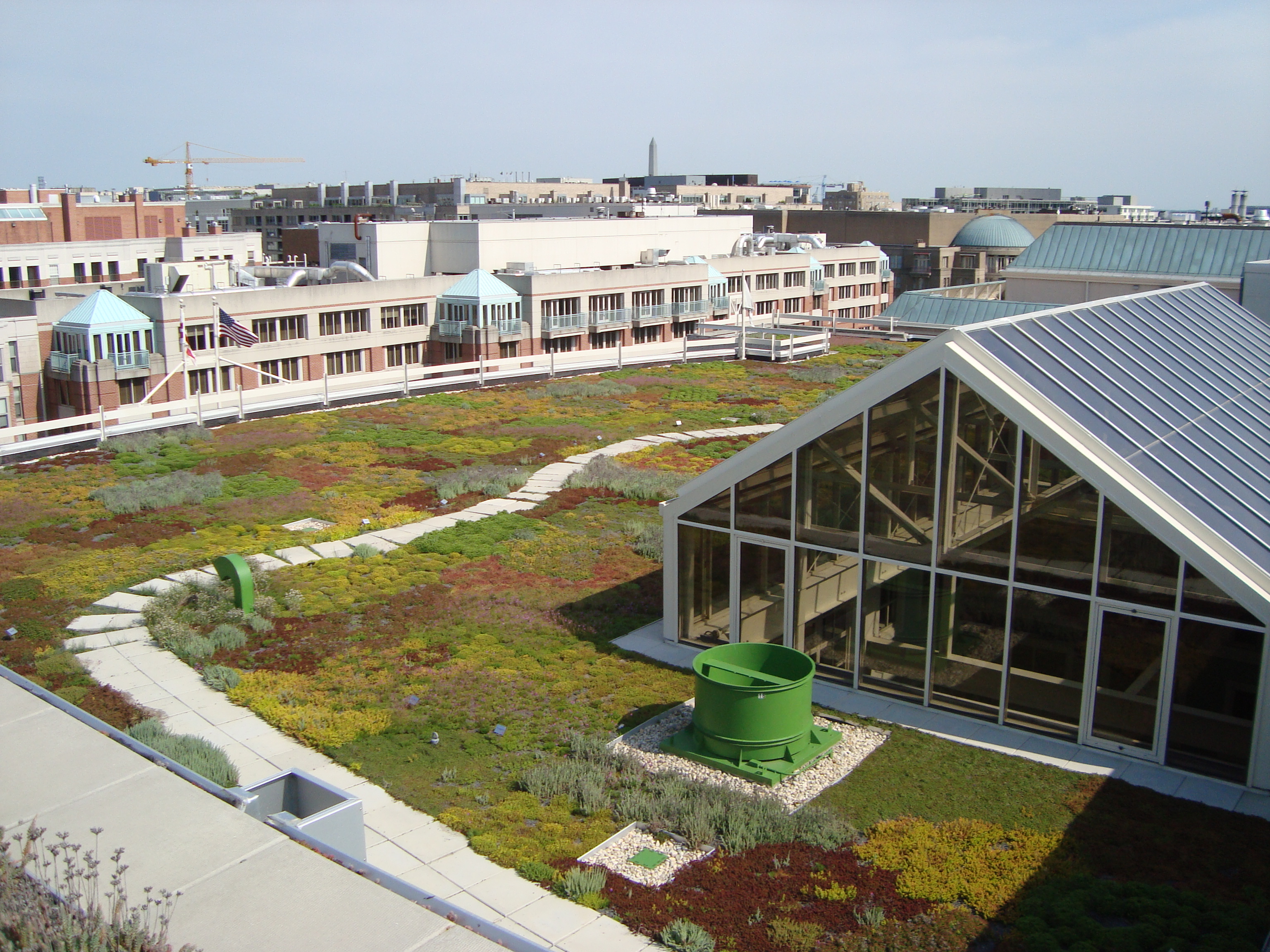
(July 16, 2016) Excerpt from an article in Forester Daily News
Green roofs – also known as vegetated or garden roofs – are key green infrastructure elements and are being increasingly recognized for their “valuable ability to absorb, reduce, and delay stormwater from reaching sewers or other grey infrastructure systems,” says Richard Hayden, garden roof product manager with Chicago-based American Hydrotech.
Green roofs work by storing rainwater in several areas of a layered assembly: in open pore spaces of the growing media and within the drainage and water retention system that underlies the growing media and plantings.
The rainwater is retained until the assembly is completely saturated, and excess water is slowly released from the roof into the site’s stormwater system. Stormwater runoff volume also is reduced because of evapotranspiration, which cools the surrounding air.
What started off as an effort to add green space on buildings for purely aesthetic purposes has morphed in a very important BMP option for handling rainwater at the point where it lands on the roof, Hayden points out.
American Hydrotech manufactures and supplies waterproofing and roofing components for projects worldwide. Its flagship product is the original hot, fluid-applied rubberized asphalt, Monolithic Membrane 6125. Originally developed in the 1960s as a waterproofing element for bridge structures in Canada, MM6125 is now used for creating green roofs.
Its seamless application makes it impervious to the effects of the wet conditions that are typical of green roofs, says Hayden. In 1996, Hydrotech introduced the Garden Roof Assembly and has since supplied waterproofing, drainage materials, lightweight growing media, and plants for more than 2,000 projects in the US and Canada.
“There are many municipalities like New York; Chicago; Philadelphia; Washington DC; and Portland, Oregon, where green roofs are being encouraged through incentives of various types,” says Hayden. “These cities are part of a significant and growing group seeking out innovative ways to minimize or slow down stormwater from reaching already overtaxed sewers.”
Recent Press
- July 30, 2021
 Sika has acquired American Hydrotech Inc. in the USA and its affiliate Hydrotech Membrane Corporation in Canada. With this acquisition, Sika will become the number one supplier of green roofs in North America. Through this acquisition Sika gains a...
 - March 29, 2021
 The new occupants of 2470 Mandeville Lane in Alexandria, Va., are no longer suited government employees working in cubicles. Once serving as the home to the U.S. Department of Defense, the 741,000-square-foot office building has been converted into...
- December 7, 2020
 There are a lot of incentives for green roofs in the world today which improve the business case for implementation. Many of those incentives rely on making one-time payments based on the size of the green roof. While these incentives are good,...
 - November 11, 2020
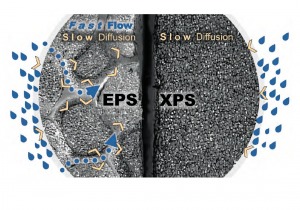 Moisture absorption is a familiar concept. It is easy to understand moisture absorption mechanisms in polystyrene insulation. Unfortunately, some insulation-performance claims can be misleading when based on test results from a few field samples or...
- October 1, 2020
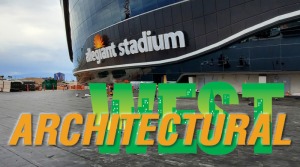 A new landmark sits just west of the global tourist attraction, the Las Vegas Strip in Nevada. A 1.8 million sq.ft., 65,000-seat domed stadium, costing nearly $2 billion is the new home of the Las Vegas Raiders. Southern Nevada residents, as well as...
 - November 26, 2019
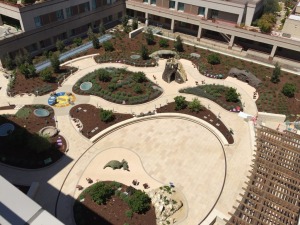 Palo Alto, CA. (November 26, 2019) There are many reasons to incorporate a green or living roof into a design, including energy conservation, water management, and financial benefits. For one project in Palo Alto, California, the benefits of having...